
Watson & Band Invited to Train Foreign-Related IP Professionals: An In-Depth Analysis of IP Risks and Early Warning Mechanisms for Corporate Overseas Expansion
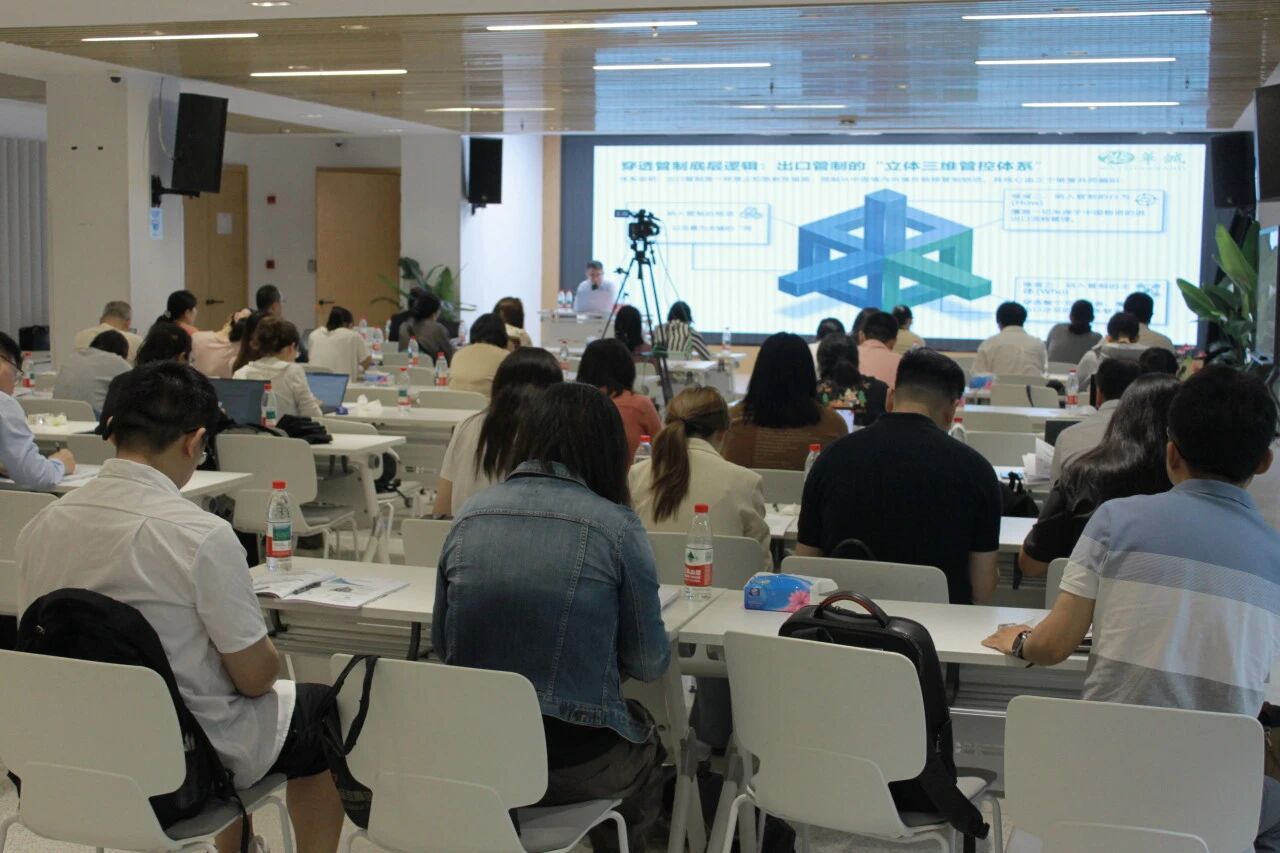
On June 4-5, 2026, the "Second Seminar on Practical Skills Enhancement for Foreign-Related Intellectual Property Professionals," hosted by the Shanghai Pudong New Area Association for Science and Technology and organized by the Pudong New Area Intellectual Property Association, was successfully held. The training utilized a hybrid format combining offline lectures and online live broadcasting. The offline sessions attracted nearly 70 corporate R&D backbone personnel, IP managers, legal experts, and patent service practitioners, while the online broadcast drew approximately 1,500 attendees, generating an enthusiastic response.
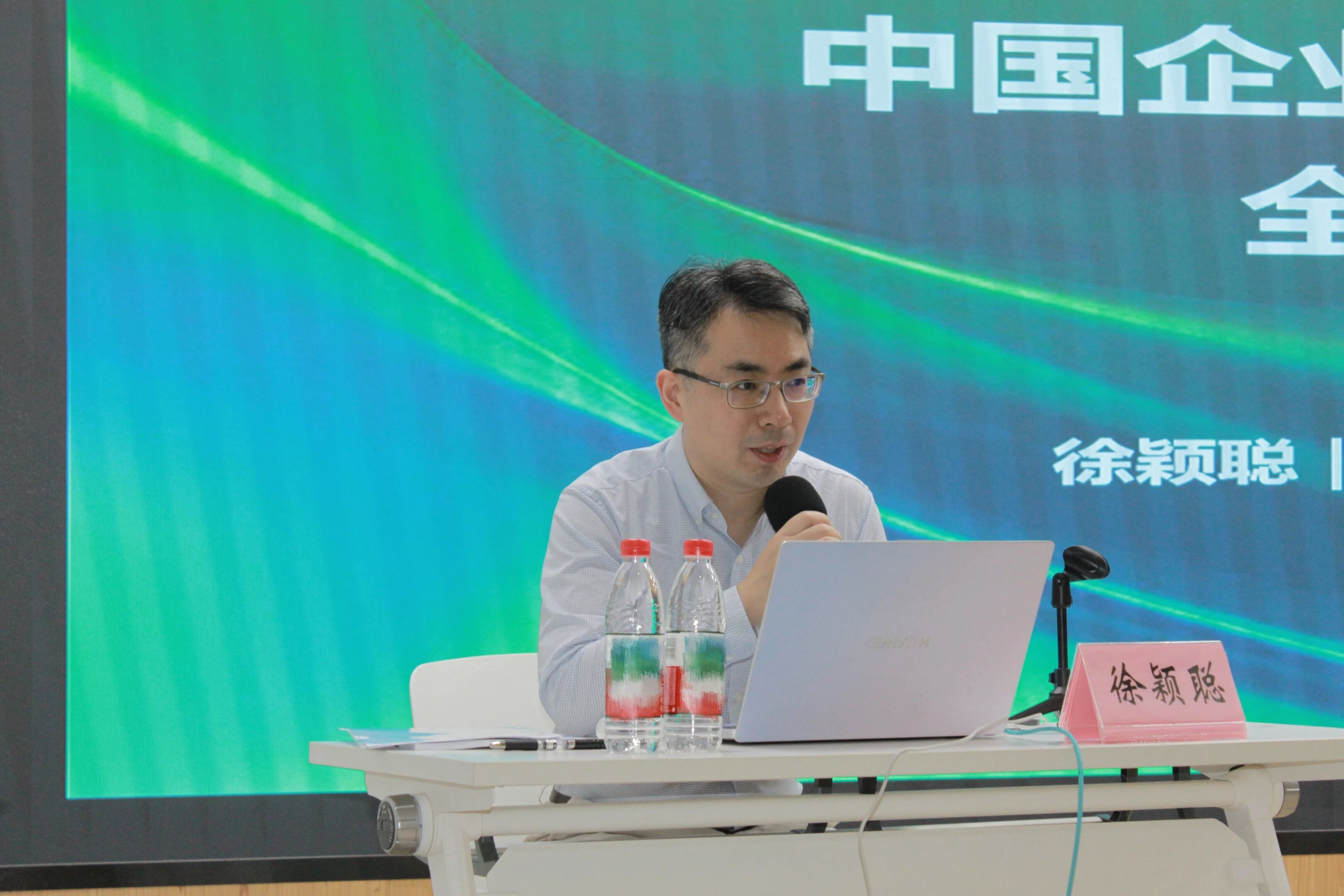
Mr. Xu Yingcong, Deputy General Manager of Watson & Band Intellectual Property Agency Ltd., was invited as one of the keynote experts. He delivered a highly strategic and practically insightful presentation titled "A Panoramic View and Early Warning Mechanisms of Intellectual Property Risks for Chinese Enterprises Expanding Overseas".
From "Product Export" to "Technology + Brand + Data Export": Escalating Risks Demand Systematic Responses
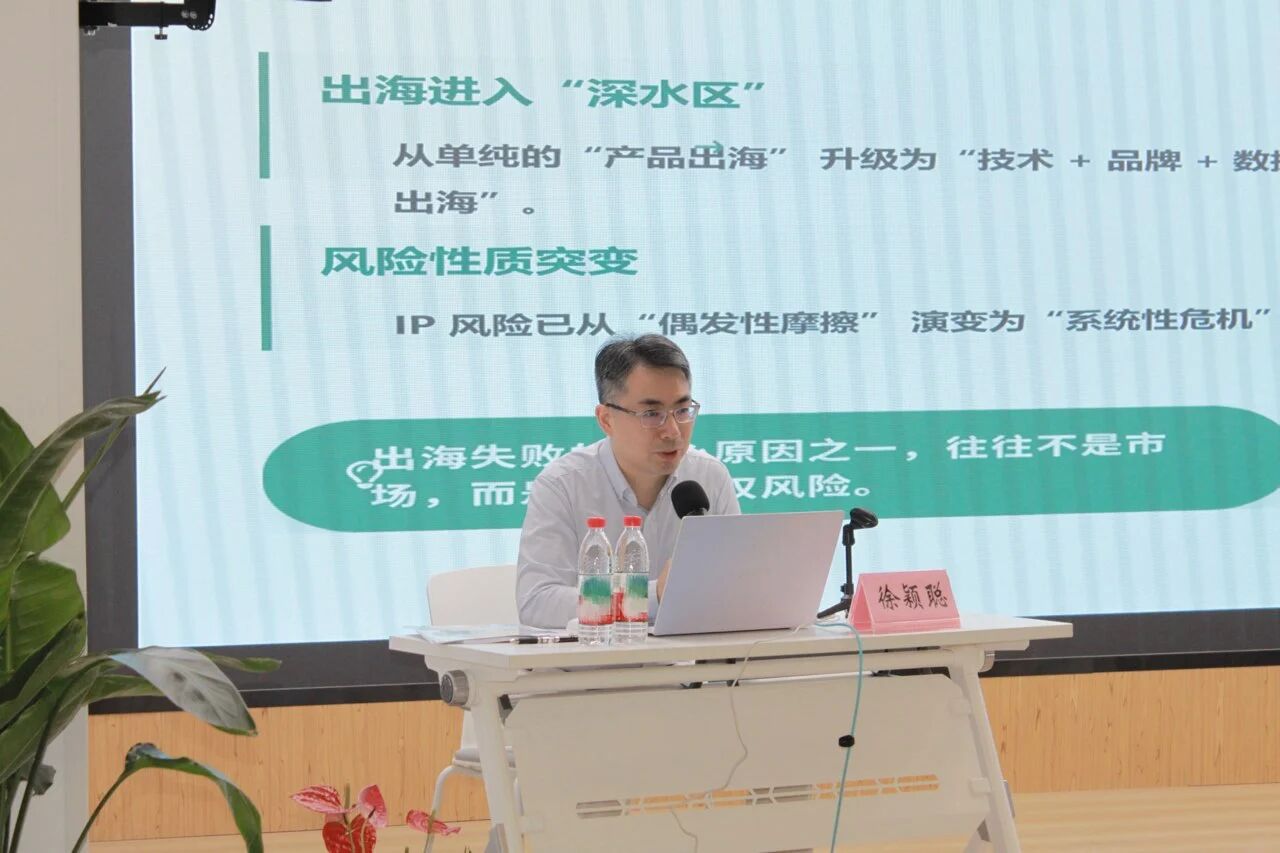
At the beginning of his lecture, Mr. Xu pointed out that the overseas expansion of Chinese enterprises has entered a new phase—transitioning from simple product export in the early days to the comprehensive export of "technology, brand, and data". Correspondingly, intellectual property risks have evolved from sporadic frictions into systemic crises.
Based on data analysis of overseas patent layouts and disputes involving Chinese enterprises in recent years, he noted that litigation has become the primary type of IP dispute, with the United States being a particularly high-risk region. Meanwhile, the overseas patent filings of Chinese companies exhibit clear polarization, indicating significant room for improvement in overall layout rates. Mr. Xu emphasized that enterprises urgently need to establish an "export control compliance mechanism" and an "IP compliance defense line" to intercept and control risks at the source.
Focusing on the RCEP Region: Accurately Identifying Regional Risks
Addressing the growing corporate interest in the RCEP region, Mr. Xu provided a specialized analysis. He highlighted typical risks in this area, including frequent trademark squatting, inconsistent law enforcement standards, underdeveloped patent examination systems, and weak mechanisms for resolving exhibition-related disputes. When conducting business in this region, enterprises cannot simply replicate the compliance experiences of the European and American markets. Instead, they must build a dual defense line of "export control compliance + IP early warning radar," ensuring that risk prevention and IP analysis advance synergistically.
Exploring the Frontier: IP Layout and Trade Secret Protection for Embodied AI Robots
Regarding the highly anticipated field of embodied AI robots, Mr. Xu conducted an in-depth analysis combining global patent trends with practical cases from domestic enterprises. He noted the rapid growth in global patent applications for embodied AI in recent years, with technical layouts concentrated in core modules such as perception systems, motion control, and interactive decision-making. Taking a leading domestic enterprise as an example, its patent strategy features a "motion + perception" dual-drive pattern. Early filings were heavily focused on application scenarios, but in recent years, the focus has gradually shifted toward the robot's ontological structure. In terms of trademarks, there is a clear trend of diversifying from a single hardware focus to a "hardware + software + ecological platform" model. He advised enterprises to adopt a layout strategy characterized by all-class coverage and global synchronization.
Notably, the core assets of embodied AI enterprises often extend beyond patents to include a vast amount of trade secrets, such as training data, algorithmic models, optimized parameters for motion control, simulation environment configurations, and training logs generated by the robots. Once leaked, the loss of these intangible assets can cause irreversible damage to a company's competitiveness. Mr. Xu pointed out that because significant legal controversy remains over whether "machine-generated content possesses originality," copyright protection paths are currently unclear. Consequently, enterprises must rely more heavily on trade secret systems for protection. He recommended that companies establish strict data access rights management, employee confidentiality agreements, and technical isolation mechanisms early in the R&D stage. Core algorithms and training data should undergo tiered encryption and retention audits to ensure that key technological assets are not leaked during overseas expansion due to personnel mobility, cross-border collaboration, or third-party cooperation. Only through a dual-track approach of patent layout and trade secret protection can embodied AI enterprises build a robust technological moat.
Highlighting Special Features: Geographical Indications and Trademark Expansion—From "Chinese Specialties" to "International Brands"
Another topic that sparked enthusiastic discussion was the opportunity for overseas geographical indication (GI) applications and trademark expansion. Using classic examples like Longjing Tea and Pinggu Peaches, Mr. Xu systematically explained how Chinese enterprises can leverage the GI system to introduce specialty products to international markets. He detailed the protection mechanisms under the China-EU Geographical Indications Agreement, as well as the differences and selection strategies between PDO (Protected Designation of Origin, binding the entire process to the region) and PGI (Protected Geographical Indication, binding partial steps to the region) within the EU system.
Simultaneously, referencing a recent cautionary case where the USPTO terminated over 52,000 irregular trademark applications, he reminded companies to prioritize compliance details during international trademark registration. This includes exercising caution when using AI-generated materials, strictly preventing trade secret leaks, and meticulously preparing for practical matters such as foreign language transliteration, semantic translation, and cross-border e-commerce platform compliance, thereby truly realizing the leap from "Chinese specialties" to "international brands".
From Quantity to Quality: Building a Precise Patent Layout System
In this section, Mr. Xu proposed that Chinese enterprises should move away from the traditional mindset of purely pursuing patent quantity and shift toward a patent layout and mining model driven by actual industrial needs. He emphasized the necessity of a precise transition from "quantity" to "quality". Only through high-quality patent portfolios, forward-looking early warning mechanisms, and systematized compliance capabilities can enterprises truly support steady expansion into overseas markets.
Watson & Band Continues to Empower Enterprises in Enhancing Foreign-Related IP Practical Skills
As a professional agency deeply rooted in intellectual property and legal services for many years, Shanghai Watson & Band remains committed to providing high-quality IP strategic consulting and practical support for Chinese enterprises "going global". Mr. Xu Yingcong’s invitation to serve as a keynote expert at this seminar not only serves as an endorsement of Watson & Band's professional capabilities by the organizers but also reflects the firm's responsibility and dedication to continuously delivering professional value in the field of foreign-related intellectual property.
Looking ahead, Watson & Band will continue to collaborate closely with industry associations, professional institutions, and corporate clients. Focusing on key issues such as overseas IP risk early warning, patent layout, and dispute resolution, the firm will conduct more specialized training and practical exchanges to help enhance the international competitiveness and risk response capabilities of Chinese enterprises and IP professionals.
For more information on foreign-related IP practices or to customize internal corporate training, please feel free to contact the Watson & Band Intellectual Property Practice Team.